
our story
ABOUT JULES WABBES
A defining figure of post-war
Belgian design
Jules Wabbes was a defining figure of post-war design and architecture in Belgium.
Born in 1919, the Belgian interior architect and furniture designer has profoundly shaped interior design through his focus on craftsmanship and use of noble materials such as brass, bronze and wengé.
Throughout his career Jules Wabbes developed emblematic designs, established a renowned, local production and conceived remarkable architectural landmarks across Belgium and internationally, building a legacy that remains profoundly relevant since his passing in 1974.
ABOUT GENERAL DECORATION
General Decoration
Founded by Jules Wabbes in 1969, General Decoration designs, produces and distributes his lamps, furniture and accessories. Faithful to the ideas of Jules Wabbes, General Decoration works only with a handful of Belgian craftsmen and noble materials such as bronze and brass. Today the company holds the exclusive licence to reissue and edit the Jules Wabbes archive.
CRAFTMANSHIP
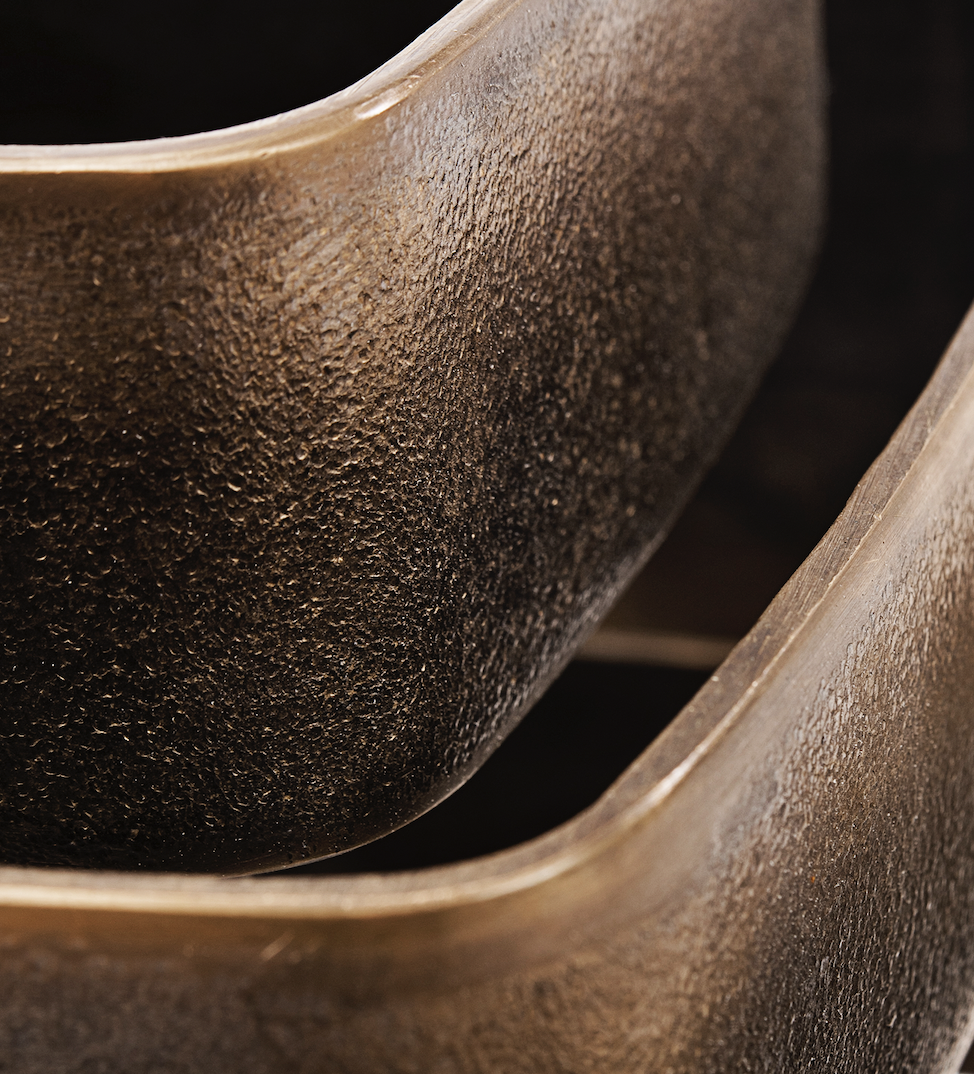
BRONZE
Raw cast bronze, left to develop its natural patina slowly over the years.
Read more
Used since antiquity, bronze is a noble metal that is resistant but also develops a beautiful tint and patina through exposure to outdoor conditions. Many Jules Wabbes pieces are available in raw bronze with each piece carefully melted and poured into a sand mould before being meticulously hand finished in several stages. Traces, indentations and slight variations are an ode to the creation process and make each piece one of a kind.
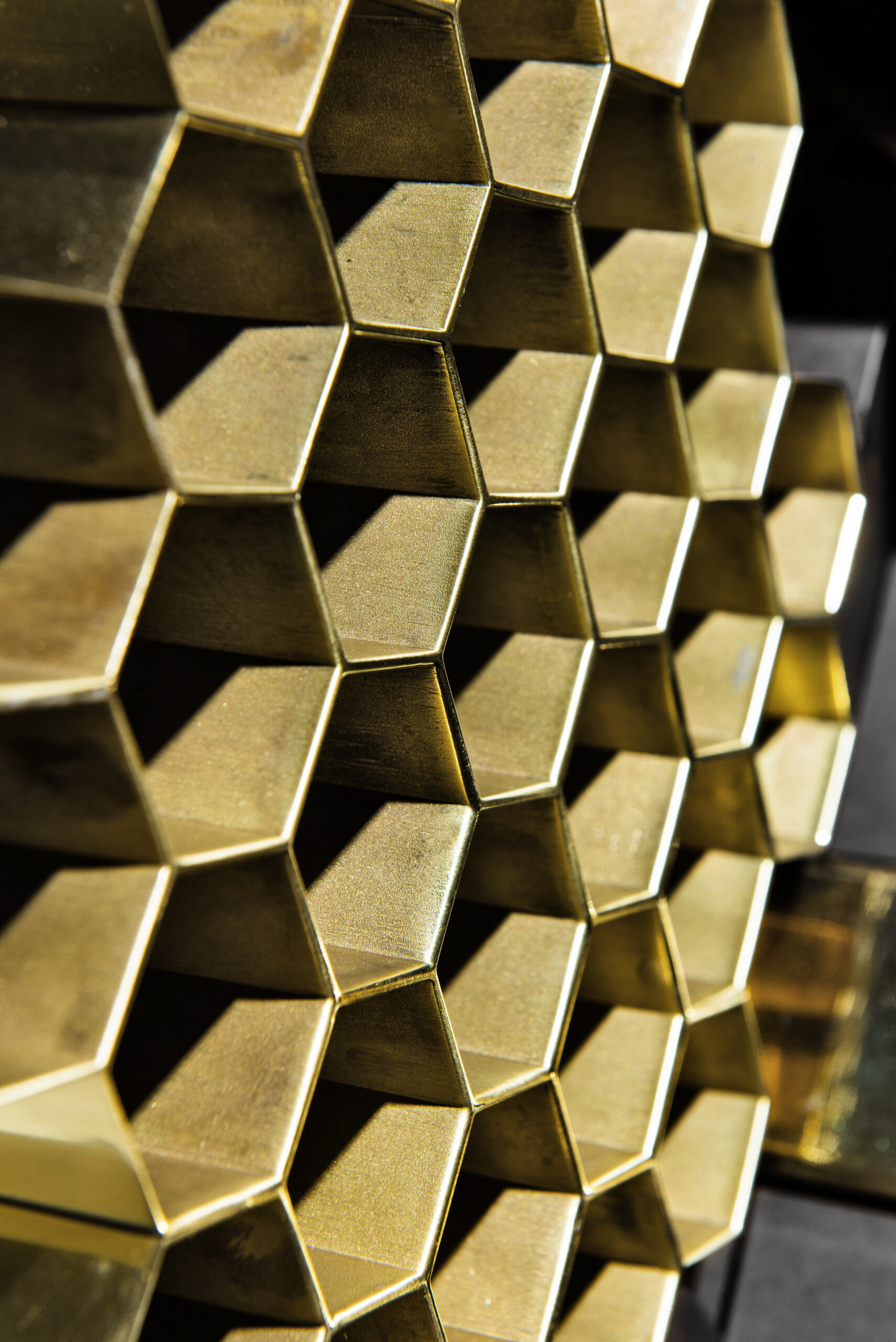
BRASS
Brushed, polished or nickel-plated by hand, varnished or left to age.
Read more
An alloy of copper and zinc that is both flexible and solid, brass allows itself to be bent and folded into many of Jules Wabbes' recognisable designs. With a finish hovering between gold and silver, its time-developed patina is what makes the material develop character and stand out. Brushed, polished and nickel-plated pieces are finished by hand and varnished, but also available unvarnished for a stronger oxidation and more present patina.
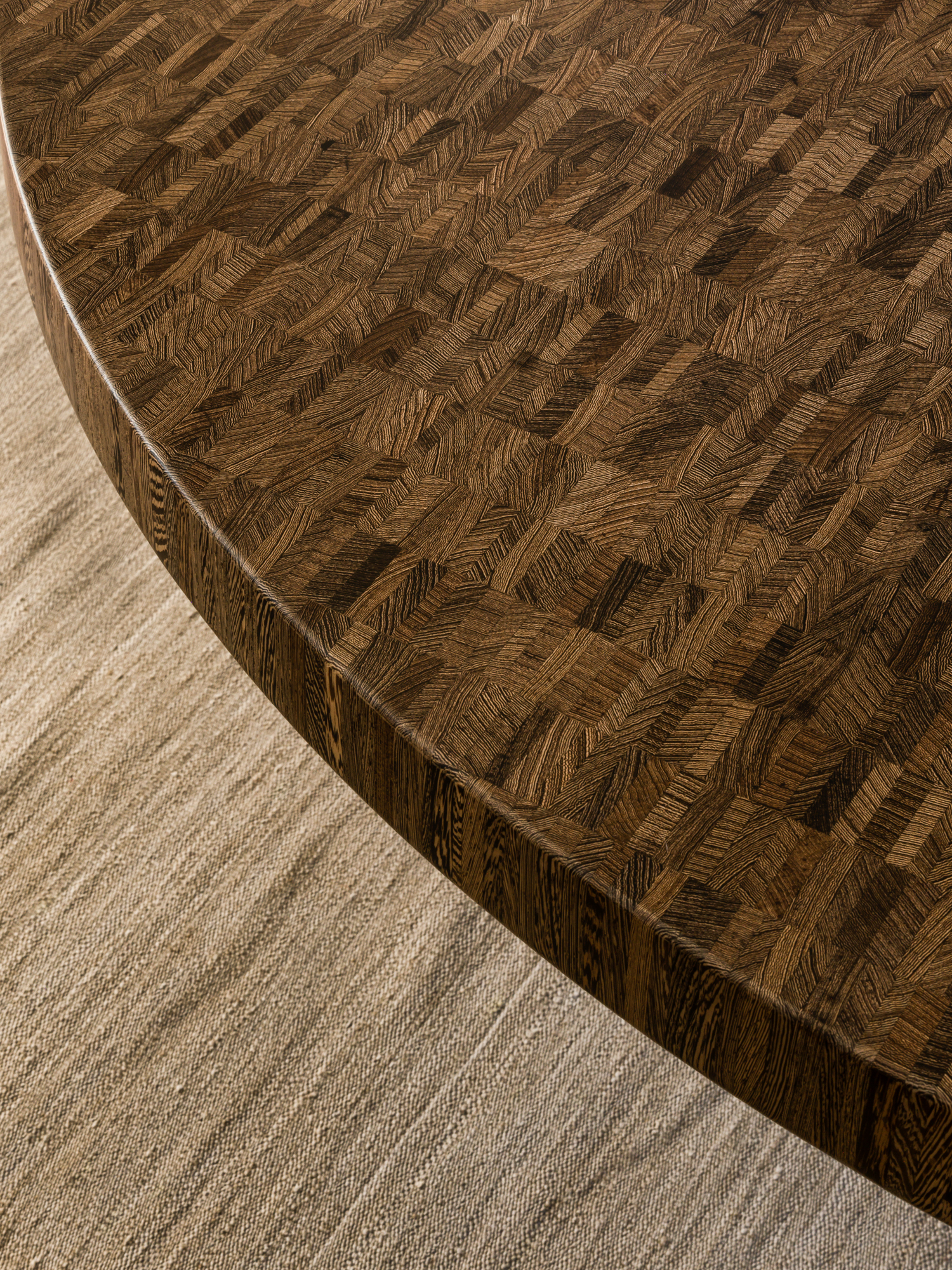
WOOD
Dense-grained solid wengé, selected and worked for its depth and warmth.
Read more
Jules Wabbes was particularly drawn to noble exotic wengé wood (Millettia laurentii) for its palette of dark brown hues combining texture and subtlety. His emblematic round table is constructed from blocks of wengé glued together to create a solid end-grain surface whose intricate patterning might suggest refined marquetry, yet is closer in spirit to a butcher's block. Rarely used for large tabletops, and even less so in African wengé, this end-grain technique became one of Wabbes' signatures.